A few weeks ago we were lucky enough to be invited to a concept development workshop on a topic close to our hearts: caring for unloved reserve collections. As a part of a larger AHRC funded project called Who Cares? Interventions in Unloved Collections, the leaders of this initiative are asking some big questions like: What does caring for collections really mean? Is it possible for a curator or researcher to ever be objective about the collections they look after? How can we exploit the intense emotional connection museum people have for their objects? As museum professionals ourselves, we think these are exactly the right sorts of questions to be asking.
 |
| One day someone will want you, rows of pig skulls |
The general public tend not to appreciate that what they see on display is only ever a very small proportion of the collections a museum holds. Securely locked away in cold dark stores, the great wealth of a museum in the form of slightly broken, repetitious, and unfashionable objects sit waiting for someone to come find them. But just because stored collections aren't on display doesn't mean they aren't loved: museum people are notoriously protective and emotionally attached to their objects, especially their slightly wonky, plain looking children no one else seems to want. Add to that specialist researchers and enthusiast groups, and actually the stores can be quite a busy place.
 |
You wish your stores looked like these new open ones at
the Museum of English Rural Life |
Even if our objects, big and small, exciting and mundane, are loved by a select few- how can we harness this emotional attachment for the public? Thats the question that
Who Cares? is endeavoring the answer. As a result of the workshop however, it became clear that questions around reserve collections are even more complicated than they might originally appear. Sure you can have a publicly accessible store, offer curator-led tours, engage specialist communities through workshops, or have rotating displays- but what about objects that are visually unattractive? So specialist as to be unintelligible? Lacking in any sort of provenance?
 |
| Grecian helmet? How about 100 |
On the day, we ran a short discussion group on the topic of how you can engage the public with disturbing or uncomfortable collections- whether that's human remains, objects related to death and crime, collections with a morally dubious acquisition history, or even just items that end up relating to topical issues. These are objects that are not only unloved but purposefully forgotten or even detested. How do you engage with objects you own as a result of imperial domination, slavery, or something as visually disturbing as a teratology collection? These were certainly some difficult questions for the group, but we were impressed by some of the helpful suggestions they came up with.
 |
The Vrolick Museum in Amsterdam is famous
for its displays of human remains |
As practically-minded museum professionals, the first issue to consider had to be how we as institutions are socially responsible and fulfill our commitment to funders and the public at the same time. We shouldn't be seen to sanitize the past and yet some of our displays, like those of human remains, can be alienating to certain audiences. It was pointed out that actually most museums do already deal with difficult issues, just think of specialist war museums which are essentially about death, conflict and trauma. It's not even always possible to just avoid sensitive topics as they come back around when you least expect it: are displays about hunting now offensive with the return of debates over fox hunting? One participant even wondered whether Ripley's Believe it or not with its displays of human freaks were actually more honest about historical issues around difference and discomfort than most museums.
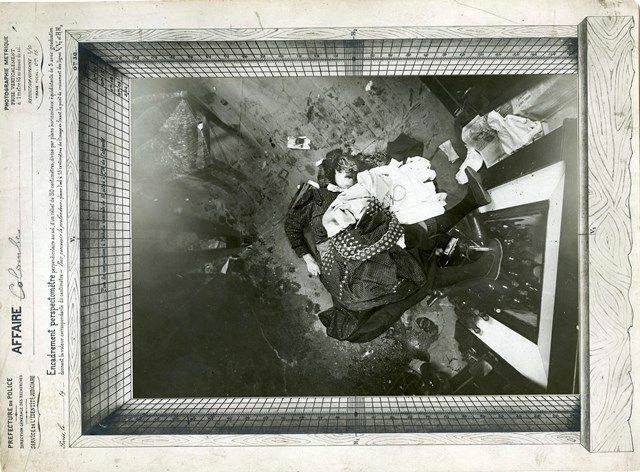 |
| View of a crime scene from Wellcome Collection's Forensics exhibition |
The surprising conclusion of our brief chat was the general agreement that so long as objects were provided with context and treated with professionalism, we should be taking more risks with sharing with audiences the uncomfortable or complicated objects in our collections. Just look at the success of the
Wellcome Forensics exhibition which contains incredibly graphic images of dead bodies, and yet when its contextualised with both art and research, audiences are clamouring for more. Maybe we need to give both our audiences and ourselves a bit more credit for our ability to handle museum's sometimes haunted past with professionalism and clarity.
Do you have a favourite artefact, collection, or type of object that you think isn't getting enough love in your museum? Tell us all about it with the hashtag #whocares!
If you really love your stored collections or have ideas about how they can be shared with the public, why not submit a paper for the upcoming Who Cares conference at the Science Museum in November? Deets here: https://whocaresinterventions.wordpress.com/the-conference/


