Ministry logo

Ministry logo
Showing posts with label early career. Show all posts

Monday, 14 May 2018

On PhDs and museum jobs

Recently I've seen a number of conferences and symposiums aimed at PhD students exploring 'alternative careers' outside academia. With recent strikes and the continuing precariousness of short term and zero hour teaching contracts, pursuing a traditional academic career has become unattractive to many recent postgraduates. 'I'm planning to work as a museum curator' one such student said to me recently. Indeed, museum work and curatorial jobs are often highlighted as a logical alternate career. Personally, I think this is an incredibly irresponsible and misguided message to give PhD students and here's why. 
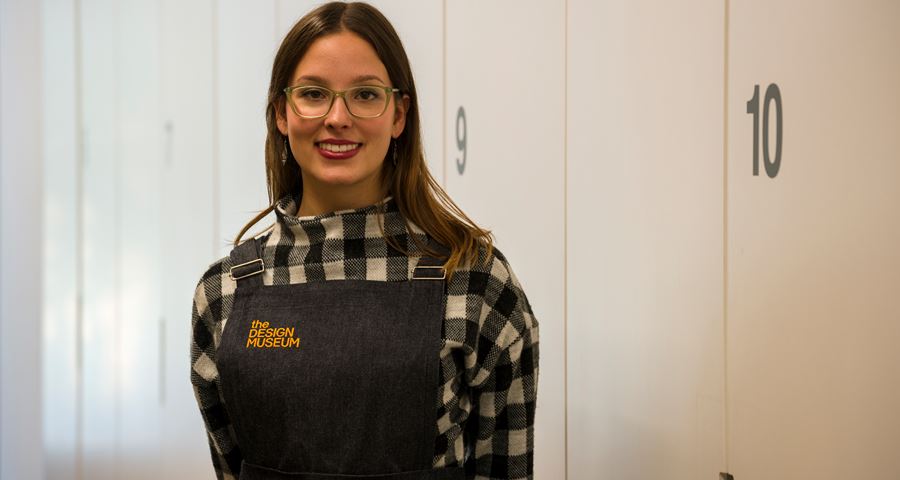

First off, let me just say that I think PhDs are great. I've got one, and I love it. PhDs have so many transferrable skills that can lend them to a variety of sectors - the ability to work methodically, to manage projects, to be self-guided in work, to write convincingly, to research thoroughly, the speak publicly and many many more great attributes. However, a PhD does not a museum curator make. Gone are the days in which curators were simple very specialist in a particular field, sitting in offices, researching all day long and producing niche but well research books. Just as this kind of isolation no longer flies in academia, it's definitely not the case in museums.


To work in a museum is arguably a vocation - it is a career typified by a very specific set of specialist skills. Whether you come at it from an MA in museum studies or from practical experience, museum workers need to be skilled in fields as wide as collections management, registry, documentation, Spectrum standards, hazards, accreditation, object handling, interpretation planning, public programming and engagement, text writing, legal frameworks and many many many more things. Museum professionals take years to build up their specialist skills which enable them to get jobs in a highly competitive field.

When this person at a recent exhibition opening said, 'I'm planning to be a museum curator', I naturally replied 'Oh have you worked in a museum before?'. 'Oh no', they informed me 'but I've always loved them.' Yes, museums are amazing and to work in them is amazing. We are all here because we love museums. But personally, I think the idea that one can just slide into museums is a bit insulting to an entire field of people who have spent years working their ass off to gain the experience needed. This is particularly true when it comes to curatorial work - which is often particularly coveted by those inside and outside the field. These days, curators need not only research skills but collections management experience to boot, not to mention a huge dose of public engagement prowess. 

I also feel like I have to mention in case this might not be apparent to students in the academy, museum work is terribly paid. Like, really. You'll see starting salaries in London museums as low as £16k per year (although we all agree that's terrible). If you are lucky, you might join the sector on £23k. For a full blown specialist curator, you are looking at £30k. Many postdocs get paid £40k to start, and senior lecturers can expect to earn between £45-55k. Plus that short term contract thing - yeah we have that too. It's a highly competitive and notoriously underpaid sector so, let's not get too romantic about the museum field. 


Now this isn't to say there isn't a place in museums for PhDs. For example, many institutions hire specific research-based roles which rely on drawing in new hires from the academy. The Science Museum recently appointed posts aimed at incorporating academic research into their new medicine galleries, and the National Army Museum is looking for a Head of Collections Research with academic chops. Research roles a great initial way for PhDs to join the museum community and start to build the skills they will need to one day become curators. Not forgetting of course that there is so so much more to museum work than just the curator! From learning teams to public programming, fundraising, marketing, social media and more - you'd be surprised how you can develop in the field. 

I'd also mention that museums LOVE to work collaboratively with academics. It is definitely possible that you can get some great experience of exhibitions through collaborative projects based at universities. If you do get to work on something like this, take all the opportunities you can to learn from your museum colleagues. 


My aim here isn't to put a downer on anyone's ambitions. I absolutely love working in museums and want to support others into the field. However, I think its important to be realistic about what museums can offer in terms of salaries and opportunity. Getting a museum job is just as competitive as academic work, so don't expect is to be an easy alternative to lecturing. And as for curatorial work, its some of the most highly sought after - so be sure to think big about the different career paths museums can offer you.

Personally, I am a museum curator with a PhD. But I'm not a curator because I have a PhD. In fact, I was hired for the job on the basis of my museum experience and in particular my years of work managing collections and supporting researchers. That I had a PhD in a relevant subject was something that was icing on the cake and maaaaybe got me over the line. But the core of what a museum worker needs is practical experience, demonstrable achievements and hard work. 

Practical experience of working in a heritage environment will be 100% necessary to getting into the field. So, PhD or not, you, like the rest of us, will need to get onto some voluntary work, a graduate scheme, a paid internship, or some other entry level role. Basically, if you've never worked in heritage before, it's time to get some experience. And if you are serious about museums, it will be well worth it for the job you want! We've even made a handy getting into museums guide to get you started. 

Wednesday, 2 May 2018

30 before 30: Museum Rites of Passage

How is it Spring already? When we first thought about this article the year was looking fresh and we were starting the countdown to our 30th birthdays - now they are fast approaching! Age is only a number isn't it? But this has given us an opportunity to reflect on our time so far and how we have developed into mid-career professionals. Sure, we're pretty peeved that we've not made it onto the Forbes 30 before 30 list but has anyone in the museum world?! Where is our museums 30 under 30 list - looking at you Museums Association!

While 30 before 30 lists may feature of our #careergoals Pinterest boards they certainly give unrealistic expectations to what you can achieve, especially in an industry where it takes years of studying, volunteering, bouncing around positions to get a single toe on the ladder. So, the typical Ministry fashion we thought we'd mix it up a bit and think about the 30 rites of passage you may experience as you move from early career professional to mid-career professional. 

  1.  Get a paid museum job! It’s been a hard slog and you’ve spent way more hours volunteering with way too much responsibility but you’ve made it! 
  2. Apply for a new job a month into your contract – with short term contracts we’ve all spent time at work ‘in the stores’ applying for a job as soon as you’ve got one.
  3. Break an object (because we've all been there)
  4. Sign up for Museums Showoff 
  5. Delete a record on the Collections Management System - by accident of course.
  6. Have a strop for not being invited to an exhibition opening 
  7.  Finally get invited to an opening 
  8. Get so drunk at an opening on the excitement of free booze and canapes that you puked in the toilets - hey at least its not on an object!
  9. Pull a sickie for a hangover (after the opening)
  10. Pull an all-nighter on an install (or several in a row)
  11. Wake up in the middle of the night and panic about the location of an object or status of a loan.
  12. Go to a museum late and dance the night away 
  13. Rip your jeans at work - right. across. the bum.  
  14. Play pallet truck races in the stores (a safe distance from the objects, obvs). 
  15.  Eat at the nearest dirty café to the museum
  16. Schmooze your way into a free coffee in the museum cafe
  17. Speak to the director of your favourite museum, have a fan girl panic, then creepily add them on LinkedIn. 
  18. Have your photo taken for press and marketing 
  19.  Stalk a celebrity in the museum - and know how to act around them
  20.  Be called a curator (even if you’re not) correct them, explain, give up, let someone call you a curator. Conservator also counts. 
  21. Explain to your family that you won't be going on antiques roadshow. Also why you won't be buying a house any time soon. 
  22. Explain that you're not able to give valuations for their ‘priceless’ vase/necklace/hunk of junk that’s been in the garden shed for ten years. 
  23. Go on a courier trip! 
  24. Realise that overseas courier trips are actually a bit lonely and there is a lot of waiting around. 
  25. Fall out of love with museums, fall back in love with museums. In, out, shake it all about - this one never goes away. 
  26. Spend every Thursday lunchtime refreshing the Leicester museum job page. 
  27. Spend every weekday working in your museum, then every weekday evening at other institutions at events and openings. 
  28. Visit an exhibition and spend most of your time checking out the art hanging, checking the distance between the object and the barrier and tutting if it’s against your own museum policy. 
  29. Check out a range of museum stores and have storagegasms at their plan presses, rolling racking, shelving, the things we would do with good storage facilities! 

  30. Make friends and as you move on, get insider info from museum across London and the country!


This is not an exhaustive list and nor is necessarily something to aspire to but most of these points have been part of our journeys.  We'd love to hear more about how your museum career looked in your 20s! Tweet us @curiositytweet using #30before30. And if you are writing for the MA and want to publish a UK museums 30 under 30, just make sure to publish it in the next few weeks, ok?!

Tuesday, 13 February 2018

Moving on up: from early career to... what?

Later this month, the MA will host it's fantastic Moving on Up one-day conference for early career museum professionals. We think it's a pretty great initiative - and not just because we spoke at the first ever one held in Manchester way back in 2013. 2018 marks 5 years since that conference, 6 years since we started the Ministry and a few measly months until we each hit the big 3-0. So that begs the question... when do we stop being early career professionals?!

Ah, so young, so fresh-faced in 2013. 
Maybe its the weight of the big birthday hanging over our heads, but we've spent a lot of time reflecting on where we are actually at in our careers these days. Moving on Up (MOU) is aimed at museum people in the first 5 years of their careers - and we have clocked up more like 7 or 8. Bother. When we started the Ministry in 2012, it was all about being early career professionals trying to make sense of the industry, get ahead, and have some fun. And you know what - we did all those things. We both now have managerial jobs in our respective museums - set programmes, balance budgets, hire staff. Are we the gatekeepers that we went to MOU to try and talk to?


Kristin looking very professional in her current role
It's an uneasy line between early and mid-career in museums - how are you meant to define that crucial shift? Is it years in work? Or is it age? Is it level of responsibility? Or, as one person suggested, having achieved something substantial or innovative (which sounds a terrifying measure of success by the way). I think the challenging thing about museums is that the workforce does tend to be quite young. You will often meet full curators at museums or other quite high level collections workers who are in the late twenties, having been working their way up since about the age of 22. Isn't it possible to be both an early career person and someone in a position of power?

Giving a keynote for the UKRG in 2014

Moving on in your museum career can be quite a scary thing. No longer identifying as early and emerging is scary for, well, the very human reason that aging is quite scary (or disorienting at least). But also, being in more responsible positions means you have an opportunity and an obligation to try and put some of the things you pushed for earlier in your career into practice - valuing the opinions of your junior staff, being more supportive of social media, being risk taking, encouraging diversity in the workplace and in exhibitions - and trying to improve canape provision at openings. And you know what? When it's your budget on the line, you dealing with organisational politics - you kind of get why it was so hard for your boss back in the day. 

Terri repping purple glove club, 2017.
If the goal was to move on up, I think we are on our way. If there's one thing that MOU is absolutely crucial for, it's networking. Networks are a lifeline in museums - partially because its a very unique field and you need to have people around you you can vent to, but also because we are really one small industry, and who you know can be very helpful. Particularly in collections roles (and for some reason especially with registrars) and can feel like there's about 10 people just swapping jobs in different institutions. But, being a closely-knit community is half the fun. 


But there are some things we wish all the early and emerging conferences and workshops had prepared us better for - like leadership skills, decision making, and budgets. These are tasks inherent to more senior roles, and not ones which you often learn before you need to just start doing them. You can be a really really good curator, but that doesn't necessarily mean you can balance a budget or manage a project. Fortunately, there are some good leadership programmes you can go on - the MA Transformers and the Clore Fellowships look particularly exciting. 

MA Transformers session
So what can we say to those of you heading to Moving on Up in a few weeks time - stay enthusiastic, stay curious, stay angry (as there are still many things in the field which need to change), but do what you can to build up not only your networks and social media presence as well as your skill sets. Volunteer to help with project and grant applications, shadow others when you can, take any leadership courses available to you, and for your own good, learn excel and all its mysteries (because it will come for you eventually). 

If you want to read more about our journey check out a few of our advice pieces here: 

Getting into Museums
Pay and the museum sector
Thoughts on museum blogging 
The story so far

);